
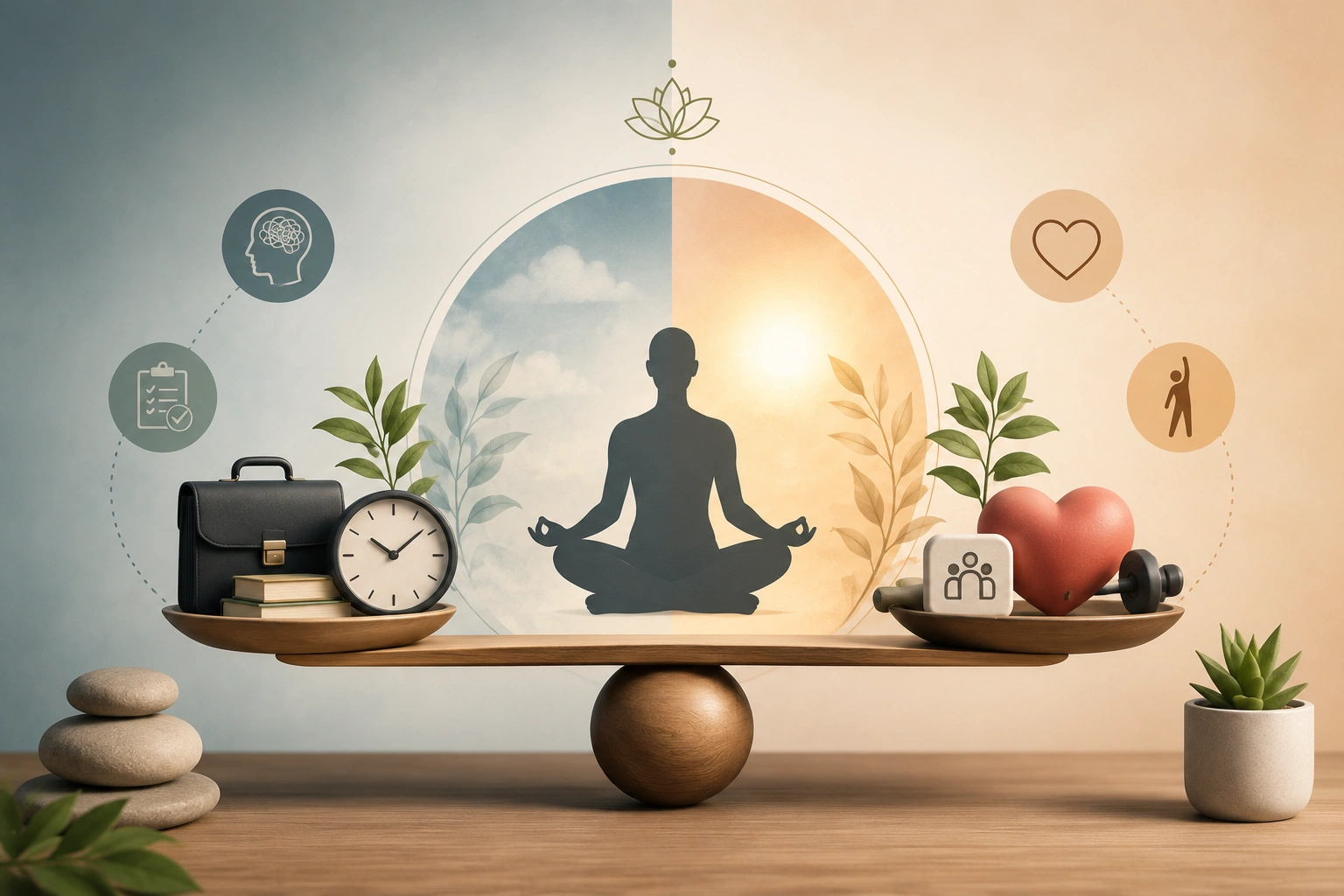
Mental balance has become one of the most important aspects of modern life, especially as people face increasing levels of stress, responsibilities, and daily challenges. Between work demands, family obligations, and social pressures, maintaining emotional well-being can feel difficult. As a result, topics such as mental health, emotional balance, stress management, emotional intelligence, and personal development have gained significant attention. Psychology experts emphasize that achieving mental balance is not an overnight process; it requires awareness, consistent habits, and intentional effort. For those interested in understanding human behavior and mental well-being more deeply, Etqan Training Center in the UAE offers specialized psychology programs designed to provide both theoretical knowledge and practical skills in the field of psychology.
You may also explore:
Psychology Training Program
Neuropsychology Training Program
Child Psychology Training Program
What Is Mental Balance?
Mental balance refers to the ability to manage thoughts, emotions, and behaviors in a healthy and productive way. It allows individuals to handle challenges while maintaining a sense of stability, resilience, and satisfaction.
Mental balance does not mean living without problems. Instead, it means developing the ability to respond to difficulties with awareness and emotional control.
Why Follow a 30-Day Plan?
Psychological research suggests that developing new habits requires consistent practice over time. A 30-day plan provides a practical framework for building behaviors that support long-term emotional well-being and mental stability.
Week One: Develop Self-Awareness
1. Monitor Your Daily Thoughts
Spend 10 minutes each day writing down your thoughts and emotions. This practice helps identify stress triggers and recurring negative patterns.
2. Identify Sources of Stress
Ask yourself:
What drains my energy most often?
Which situations affect my mood repeatedly?
What aspects of my life can I control?
3. Reduce Distractions
Limit exposure to sources of negativity and excessive social media use if they contribute to stress or anxiety.
Week Two: Prioritize Self-Care
1. Improve Sleep Quality
Consistent sleep habits play a major role in maintaining emotional stability and mental performance.
2. Stay Physically Active
Even 20 to 30 minutes of daily walking can improve mood, reduce stress, and increase overall well-being.
3. Focus on Healthy Nutrition
A balanced diet supports brain function, emotional regulation, and energy levels throughout the day.
Week Three: Strengthen Positive Relationships
1. Connect with Supportive People
Surround yourself with individuals who encourage personal growth and provide emotional support.
2. Learn to Set Boundaries
One of the most important mental health skills is the ability to say "no" when necessary without feeling guilty.
3. Practice Gratitude
Write down three things you are grateful for each day to help shift your focus toward positive experiences.
Week Four: Build a Long-Term Vision
1. Set Realistic Goals
Clear and achievable goals provide direction, motivation, and a sense of purpose.
2. Invest in Continuous Learning
Learning new skills builds confidence and enhances your ability to adapt to challenges.
3. Practice Relaxation Techniques
Meditation, mindfulness, and deep breathing exercises can help calm the mind and improve focus.
The Role of Psychology in Achieving Mental Balance
Psychology helps individuals understand human behavior, emotional responses, and the factors influencing mental well-being. It also provides practical tools for managing stress, improving emotional intelligence, and building healthier relationships.
For this reason, many people interested in personal development and mental health choose to study psychology to gain a deeper understanding of themselves and others.
You may also read:
The Importance of Emotional Intelligence
Effective Stress Management Strategies
Introduction to Neuropsychology
Conclusion
Building genuine mental balance is not a one-time achievement but an ongoing journey. By following healthy habits consistently over 30 days, individuals can improve self-awareness, strengthen emotional resilience, and create a more balanced and fulfilling life. Combined with continuous learning and psychological knowledge, these practices can lead to lasting personal growth and well-being.
Subscribe
Get the latest articles