
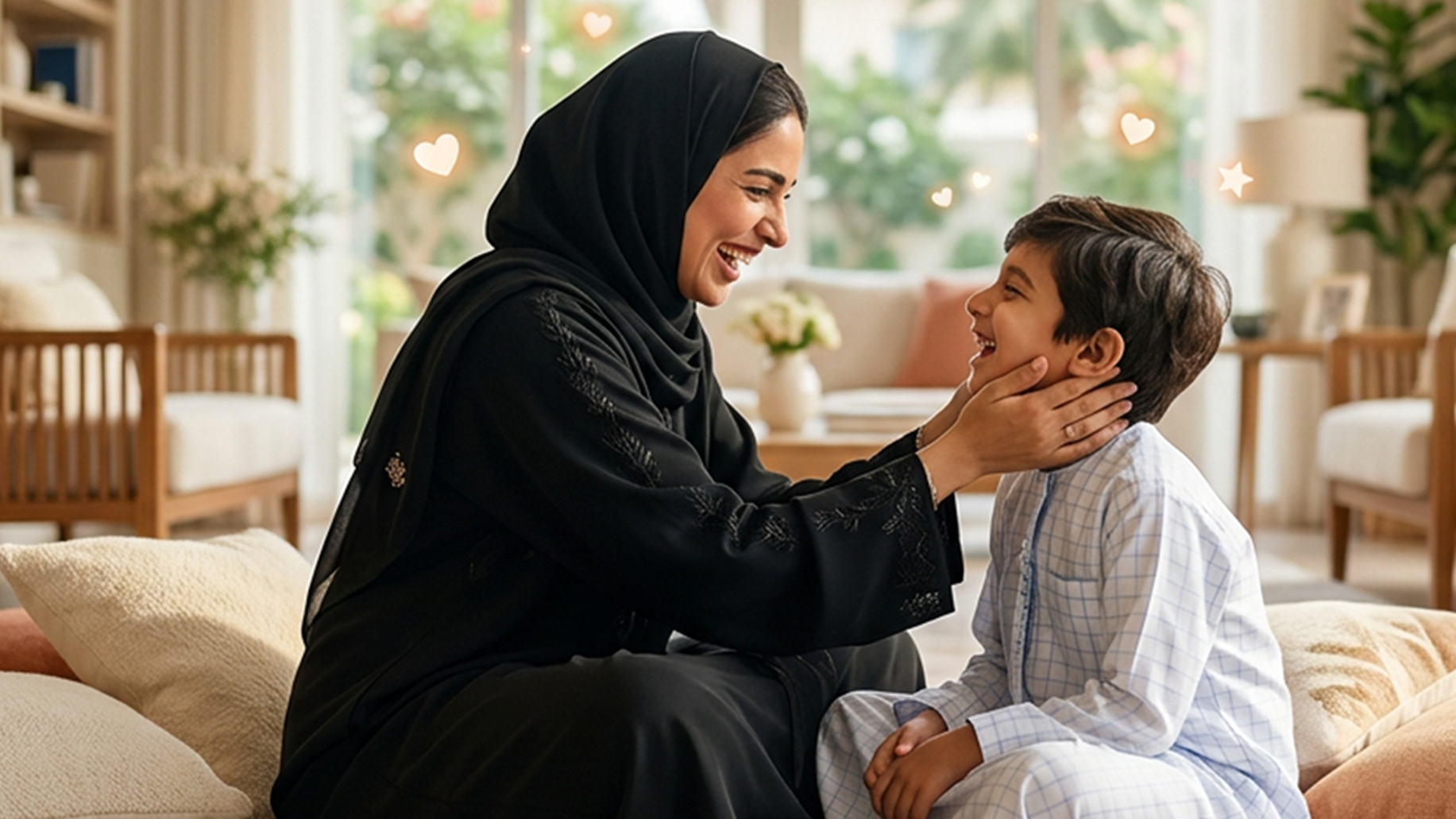
Positive parenting has become one of the most effective and widely recommended parenting approaches in recent years. Many parents seek practical ways to apply positive parenting techniques at home to build stronger relationships with their children while encouraging healthy behavior and emotional development. Positive parenting focuses on communication, mutual respect, emotional support, and guidance rather than punishment or fear-based discipline. This approach helps children develop self-confidence, emotional intelligence, responsibility, and healthy social skills. For individuals interested in understanding child development and modern parenting principles, Etqan Training Center in the UAE offers specialized programs in parenting, psychology, and child development, making it one of the leading training institutions for those seeking professional knowledge in educational and psychological fields.
You may also explore:
Positive Parenting Training Program
Child Psychology Training Program
Early Childhood Development Program
What Is Positive Parenting?
Positive parenting is an educational approach that teaches children appropriate behavior through encouragement, guidance, and respectful communication rather than punishment.
The goal is to raise independent, responsible, and emotionally healthy children who can make sound decisions and build positive relationships.
Why Is Positive Parenting Important?
Positive parenting offers numerous benefits, including:
Building children's self-confidence.
Improving communication skills.
Strengthening family relationships.
Reducing behavioral problems.
Encouraging responsibility and independence.
Practical Steps to Apply Positive Parenting at Home
1. Listen to Your Child Actively
Children need to feel heard and understood. Make time to listen carefully to their thoughts, feelings, and concerns without interruption.
When children feel respected, they become more cooperative and open to communication.
2. Establish Clear and Consistent Rules
Positive parenting does not mean a lack of discipline. Instead, it involves setting clear boundaries that children can understand and follow.
Rules should be:
Simple and age-appropriate.
Consistent and fair.
Clearly explained.
3. Encourage Rather Than Punish
Focus on reinforcing positive behavior instead of constantly criticizing mistakes.
Simple phrases such as:
"Great job cleaning your room."
"I’m proud of how you treated your sibling."
can motivate children to repeat positive behaviors.
4. Teach Responsibility
Give children age-appropriate responsibilities such as organizing their toys or helping with household tasks.
This helps develop independence, accountability, and confidence.
5. Handle Problems Calmly
During challenging situations, avoid shouting or reacting emotionally.
Instead:
Explain why the behavior is unacceptable.
Discuss the consequences.
Explore better alternatives together.
6. Be a Positive Role Model
Children learn more from what parents do than from what they say.
Demonstrate:
Respectful communication.
Emotional self-control.
Positive behavior.
Common Mistakes in Positive Parenting
Excessive Leniency
Some parents mistakenly believe positive parenting means allowing children to do whatever they want. In reality, it combines kindness with appropriate boundaries.
Unrealistic Expectations
Expectations should always match the child's age and developmental stage.
Lack of Consistency
Positive parenting requires patience, consistency, and long-term commitment.
The Role of Psychology in Positive Parenting
Psychology helps parents understand child development, emotional needs, and behavioral patterns. This knowledge enables parents to choose age-appropriate parenting strategies and support healthy emotional growth.
It also provides practical tools for addressing behavioral challenges and promoting children's mental well-being.
You may also read:
The Importance of Children's Mental Health
Early Childhood Development Stages
How to Build Self-Confidence in Children
Conclusion
Applying positive parenting at home is not about perfection; it is about creating an environment based on respect, communication, and guidance. By listening actively, setting clear boundaries, encouraging positive behavior, and modeling healthy habits, parents can help their children grow into confident, responsible, and emotionally balanced individuals. With continuous learning and a commitment to positive parenting principles, families can build stronger relationships and create a healthier home environment for future generations.
Subscribe
Get the latest articles